GB1900 GAZETTEER
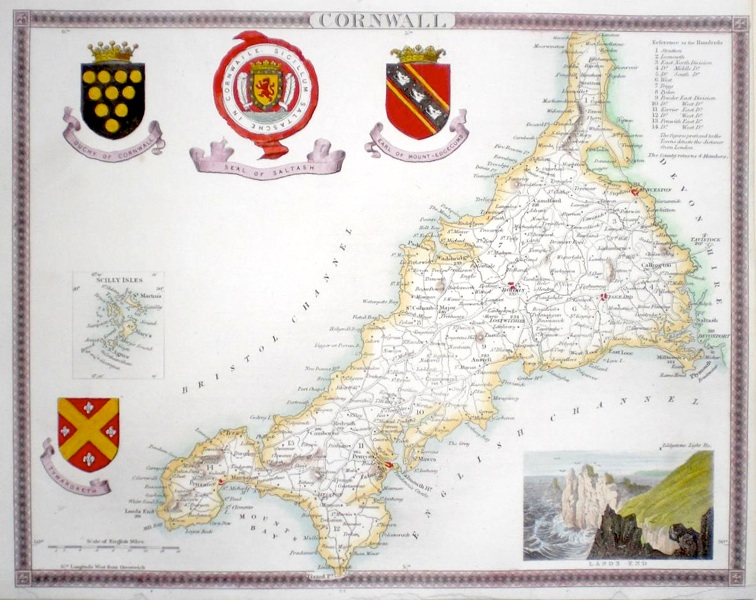
The GB1900 project computerised all the place names and other text on the Second Edition County Series six-inch-to-one-mile maps covering the whole of Great Britain, published by the Ordnance Survey between 1888 and 1914 -- 1900 for short. We are making the resulting data available for download in three formats: These are all large zip archives which may take some time to download. They each include documentation and a copy of the relevant Creative Commons licence.
FINAL RAW DUMP — CC0
This ZIP archive includes four tables holding all final raw data from the crowd-sourcing system except personal information about volunteers, plus detailed documentation.
COMPLETE GB1900 GAZETTEER — CC-BY-SA
This dataset of c. 2.55m rows is based on the raw data from the crowd-sourcing system, but includes just one agreed name for each location, which for about 1.5% of the transcriptions involved manual checking after the online project ended. Each entry also includes the location in OSGB and WGS84 coordinates, and the names of the nation, modern local authority and modern parish containing the location.
ABRIDGED GB1900 GAZETTEER — CC-BY-SA
The complete gazetteer includes very large numbers of repeating labels, such as "F.P." for footpath. This version is substantially reduced in size by removing the commonest such labels, but still contains many transcriptions which are not necessarily place-names.
COPYRIGHT NOTICE
The Complete and Abridged GB1900 Gazetteers are made available under a Creative Commons Attribution Share Alike Licence, which means that you may do anything you like with these data, including using them commercially, but you must acknowledge the Great Britain Historical GIS, the GB1900 partners and volunteers, and you may not imply that your work is in any sense endorsed by the GB1900 project or its partners. You must provide a link to the licence, indicating if changes were made. You can redistribute the data but only under the same licence and without additional restrictions.
The GB1900 Raw Dump is made available under a Creative Commons CC0 1.0 Universal Licence. This means that you may do anything you like with these data, including using them commercially, and are not required to acknowledge us. However, you may not give the name "GB1900 Gazetteer", or similar, to any resulting work: invent your own. Only unmodified versions of the gazetteer files may be distributed as the "GB1900 Gazetteer".
MORE ABOUT GB1900
The project ran from September 2016 to January 2018, and was a collaboration between the GB Historical GIS, the creators of A Vision of Britain through Time, the National Library of Scotland, the Royal Commission on the Ancient and Historical Monuments of Wales, the University of Wales Centre for Advanced Welsh and Celtic Studies, the National Library of Wales and the People’s Collection Wales. We are deeply grateful to the more than a thousand online volunteers who did most of the hard work.
LICENCE
GB1900 GAZETTEER RELEASED UNDER CC-BY-SA LICENCE
This work is made available under a Creative Commons Attribution Share Alike Licence, https://creativecommons.org/licenses/by-sa/4.0/legalcode
This CC-BY-SA licence relates to this specific dataset. Other datasets available for download from the Great Britain Historical GIS Project are under a variety of licences.
You can copy, redistribute, transform and build upon the material for any purpose, even commercial, subject to the following conditions:
ATTRIBUTION: You must credit the Great Britain Historical GIS (www.gbhgis.org), the GB1900 partners and volunteers. You must provide a link to the licence, and indicate if changes were made. You may do so in any reasonable manner, but not in any way that suggests the licensor endorses you or your use. Only unmodified versions may be distributed as "the GB1900 Gazetteer".
SHARE ALIKE: If you remix, transform, or build upon the material, you must distribute your contributions under the same license as the original, and you must give your derived work a name other than "The GB1900 Gazetteer".
NO ADDITIONAL RESTRICTIONS: You may not apply legal terms or technological measures that legally restrict others from doing anything the license permits.
Other Information
In no way are the patent or trademark rights of any person affected by CC-BY-SA, nor are the rights that other persons may have in the work or in how the work is used, such as publicity or privacy rights.
Unless expressly stated otherwise, the person who associated a work with this deed makes no warranties about the work, and disclaims liability for all uses of the work, to the fullest extent permitted by applicable law.
When using or citing the work, you should not imply endorsement by the author or the affirmer.